

Are safety shoes resistant to UV rays? This is a question that often comes up among workers who are exposed to sunlight during their jobs. As a safety shoes supplier, I've encountered this query numerous times, and I believe it's essential to delve into this topic to provide a comprehensive understanding.
Understanding UV Rays and Their Impact
UV rays, or ultraviolet rays, are a form of electromagnetic radiation emitted by the sun. They are classified into three types: UVA, UVB, and UVC. UVC rays are mostly absorbed by the Earth's atmosphere and do not pose a significant threat at the surface. However, UVA and UVB rays can reach the ground and have various effects on materials and human skin.
UVA rays have a longer wavelength and can penetrate deeper into materials. They are responsible for long - term damage such as fading, cracking, and embrittlement of materials over time. UVB rays, on the other hand, have a shorter wavelength and are more intense. They are the main cause of sunburn and can also contribute to the degradation of materials.
For workers in industries such as construction, agriculture, and outdoor maintenance, prolonged exposure to UV rays can not only harm their skin but also affect the integrity of their safety shoes. If safety shoes are not resistant to UV rays, they may deteriorate faster, leading to a reduction in their protective capabilities.
Factors Affecting UV Resistance of Safety Shoes
The UV resistance of safety shoes depends on several factors, including the materials used in their construction.
Materials
- Leather: Leather is a common material used in safety shoes. High - quality leather can have some natural resistance to UV rays. However, over time, exposure to sunlight can cause the leather to dry out, crack, and lose its flexibility. Tanning processes can also affect the leather's UV resistance. Some tanning agents may provide additional protection against UV rays, while others may not.
- Synthetic Materials: Many modern safety shoes are made from synthetic materials such as polyurethane (PU), polyvinyl chloride (PVC), and thermoplastic elastomers (TPE). These materials can be engineered to have better UV resistance. For example, some synthetic materials are formulated with UV stabilizers, which help to prevent the breakdown of the material when exposed to sunlight.
- Rubber: Rubber is often used for the soles of safety shoes. Like other materials, rubber can be affected by UV rays. It may become brittle, crack, or lose its elasticity. However, there are rubber compounds available that are specifically designed to be UV - resistant.
Design and Manufacturing Processes
The design and manufacturing processes of safety shoes can also impact their UV resistance. For instance, shoes with a thicker outer layer may provide better protection against UV rays. Additionally, the way the materials are bonded together can affect how well the shoe withstands UV exposure. If the bonding agents are not UV - resistant, they may break down over time, leading to delamination of the shoe's layers.
Assessing the UV Resistance of Safety Shoes
When choosing safety shoes, it's important to assess their UV resistance. Here are some ways to do this:
Manufacturer's Specifications
Reputable safety shoe manufacturers usually provide information about the UV resistance of their products in their specifications. Look for shoes that are labeled as "UV - resistant" or "sun - protected." The manufacturer may also provide details about the materials used and the level of UV protection they offer.
Testing Standards
There are several testing standards that can be used to evaluate the UV resistance of materials. For example, the ASTM G154 standard is commonly used to test the resistance of materials to the effects of simulated sunlight. While not all safety shoe manufacturers may test their products using this standard, it can be a useful reference when comparing different shoes.
Benefits of UV - Resistant Safety Shoes
Investing in UV - resistant safety shoes offers several benefits:

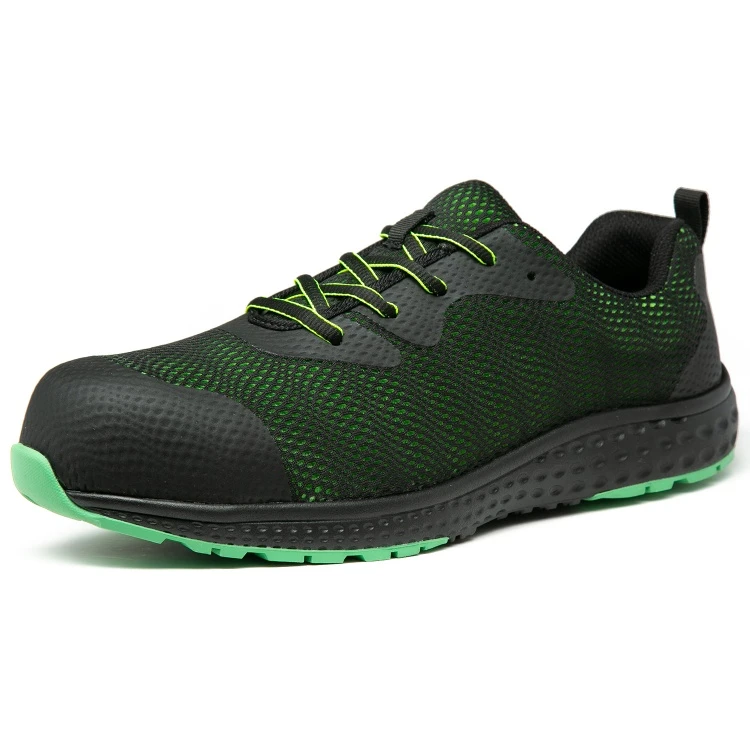
Extended Lifespan
UV - resistant safety shoes are less likely to deteriorate due to sunlight exposure. This means they will last longer, saving workers and employers money in the long run. Instead of having to replace shoes frequently due to UV damage, workers can rely on their shoes to provide reliable protection for a more extended period.
Maintained Safety Features
As safety shoes deteriorate, their protective features may be compromised. For example, a cracked sole may reduce the shoe's slip resistance, or a weakened upper may not provide adequate protection against impacts. UV - resistant shoes help to maintain their safety features, ensuring that workers are protected throughout the shoe's lifespan.
Comfort
UV - resistant shoes are less likely to become brittle or uncomfortable due to UV damage. This means workers can wear them for longer periods without experiencing discomfort or pain. Comfort is crucial in the workplace, as it can improve productivity and reduce the risk of injuries caused by improper footwear.
Our Product Range and UV Resistance
As a safety shoes supplier, we offer a wide range of safety shoes that are designed to meet the diverse needs of our customers. Our Non Slip Work Shoes are not only slip - resistant but also have excellent UV resistance. They are made from high - quality materials that are engineered to withstand the harsh effects of sunlight.
Our Safety Sneakers are another popular choice. These sneakers combine style and functionality, providing both safety and comfort. They are also designed to be UV - resistant, making them suitable for workers who are exposed to sunlight during their jobs.
In addition, our Comfortable Work Shoes are crafted with the latest technology to ensure maximum comfort and protection. The materials used in these shoes are carefully selected to provide good UV resistance, so workers can focus on their tasks without worrying about the effects of sunlight on their footwear.
Conclusion
In conclusion, the UV resistance of safety shoes is an important consideration for workers who are exposed to sunlight. By understanding the factors that affect UV resistance, assessing the shoes' UV protection, and choosing high - quality UV - resistant shoes, workers can ensure that their footwear provides reliable protection and lasts longer.
As a safety shoes supplier, we are committed to providing our customers with the best - quality safety shoes that meet their specific needs. If you are interested in purchasing safety shoes or have any questions about our products, please feel free to contact us for a procurement discussion. We look forward to working with you to ensure the safety and comfort of your workforce.
References
- ASTM International. (n.d.). ASTM G154 - Standard Practice for Operating Fluorescent Ultraviolet (UV) Lamp Apparatus for Exposure of Nonmetallic Materials.
- Leather and Allied Trades Research Association. (n.d.). Effects of UV Radiation on Leather.
- Rubber Manufacturers Association. (n.d.). UV Resistance of Rubber Compounds.


